“I could be blindfolded and dropped into the deepest ocean and I would know where to find you. I could be buried a hundred miles underground and I would know where you are.”
— Neil Gaiman, American Gods
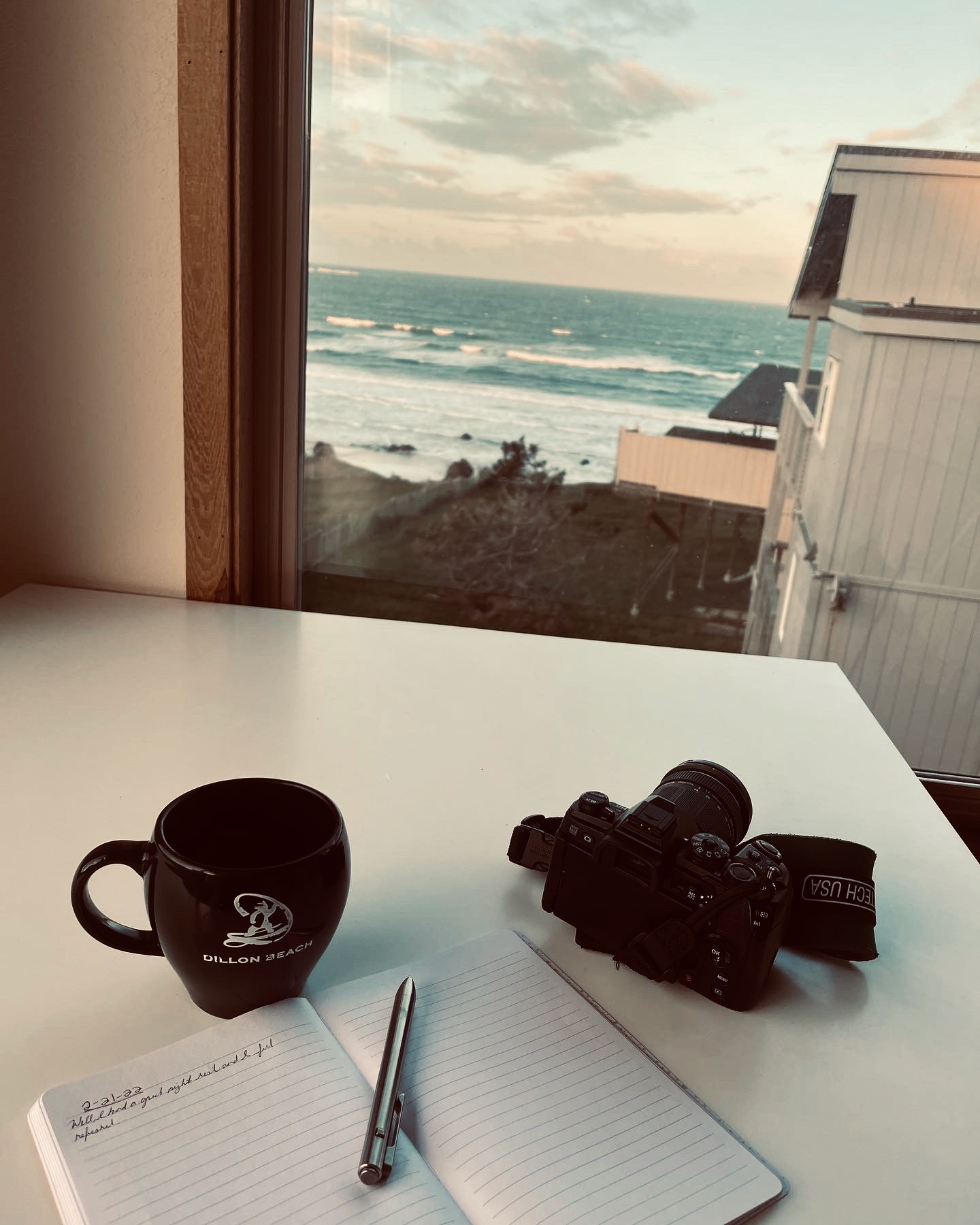
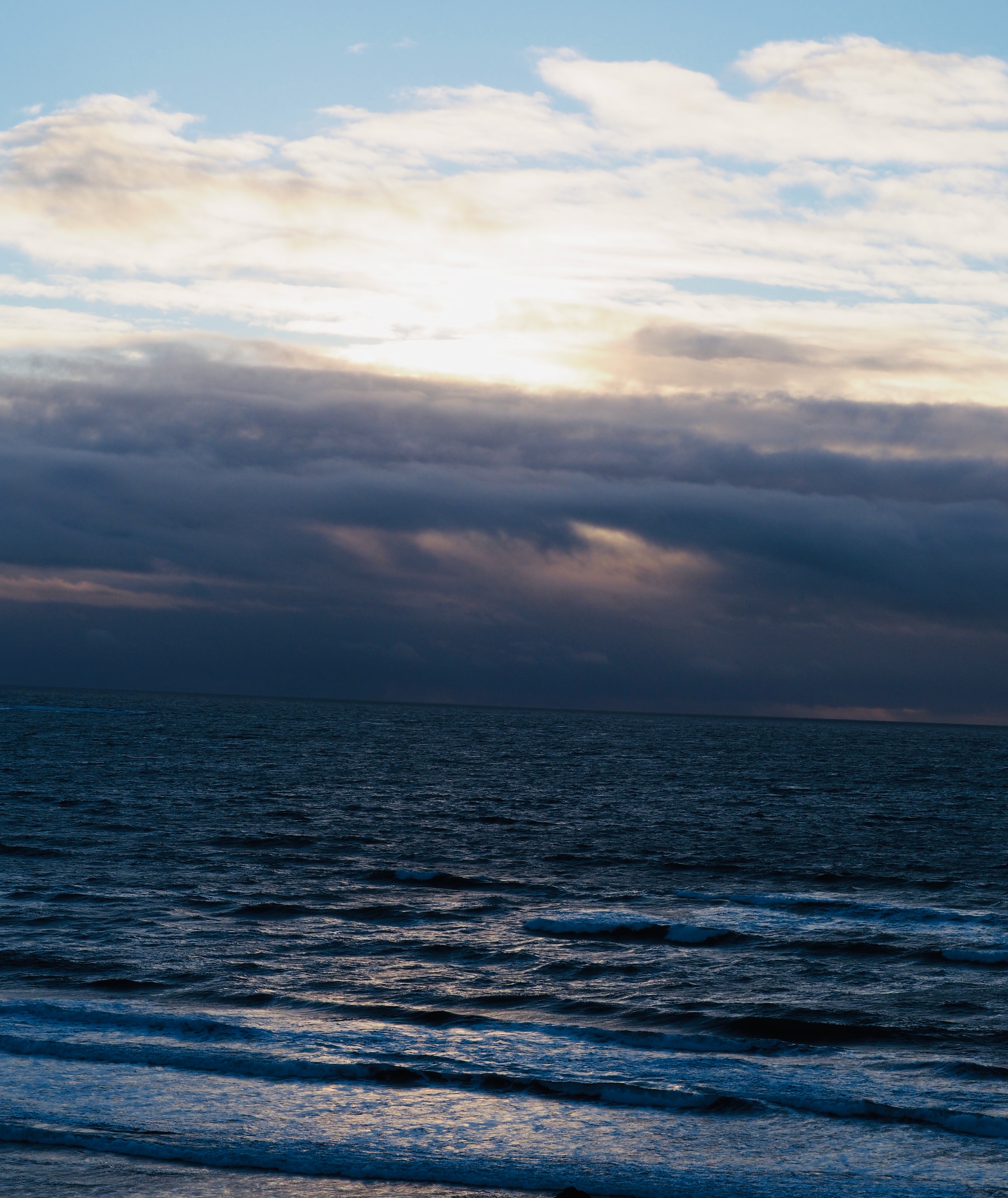
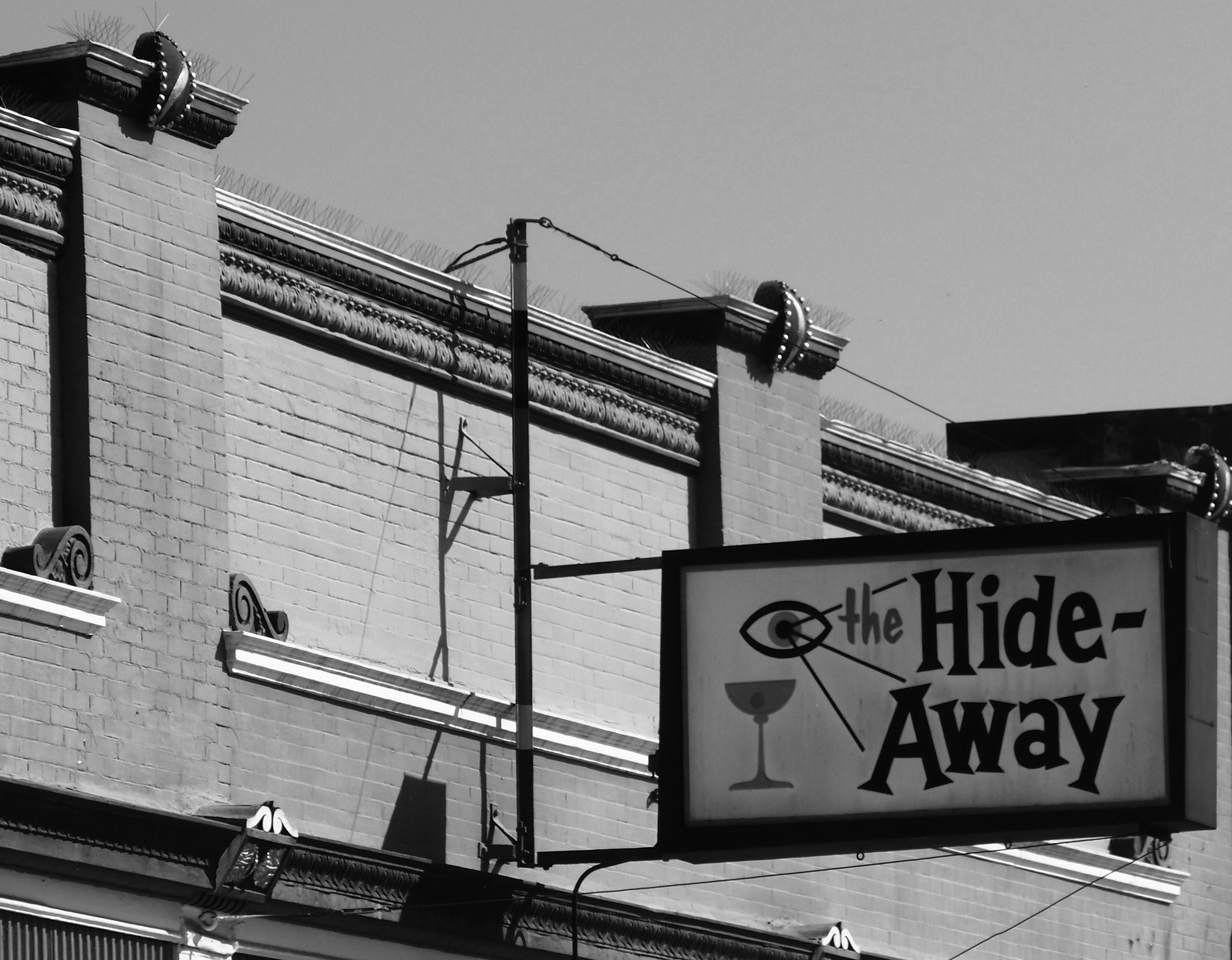
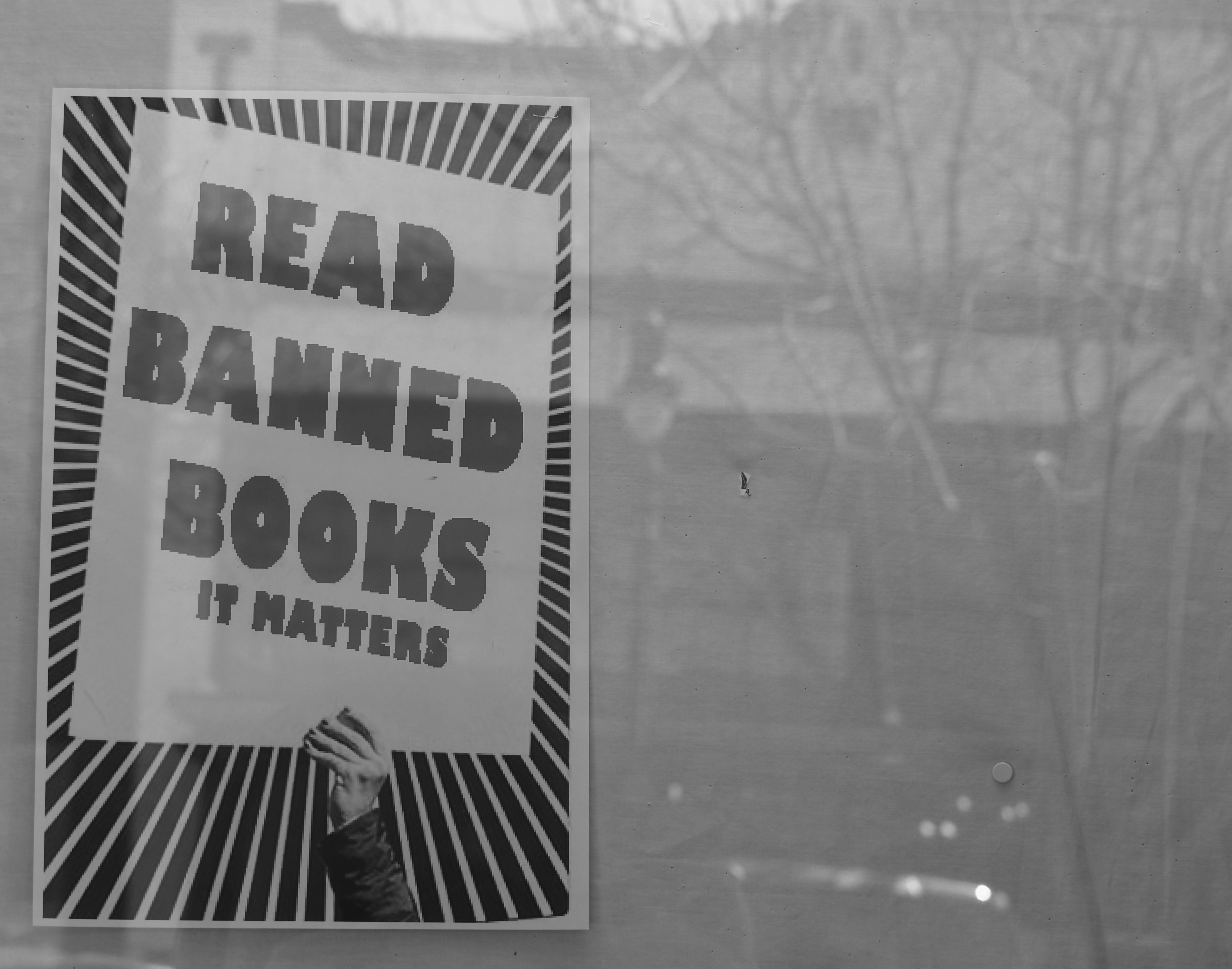
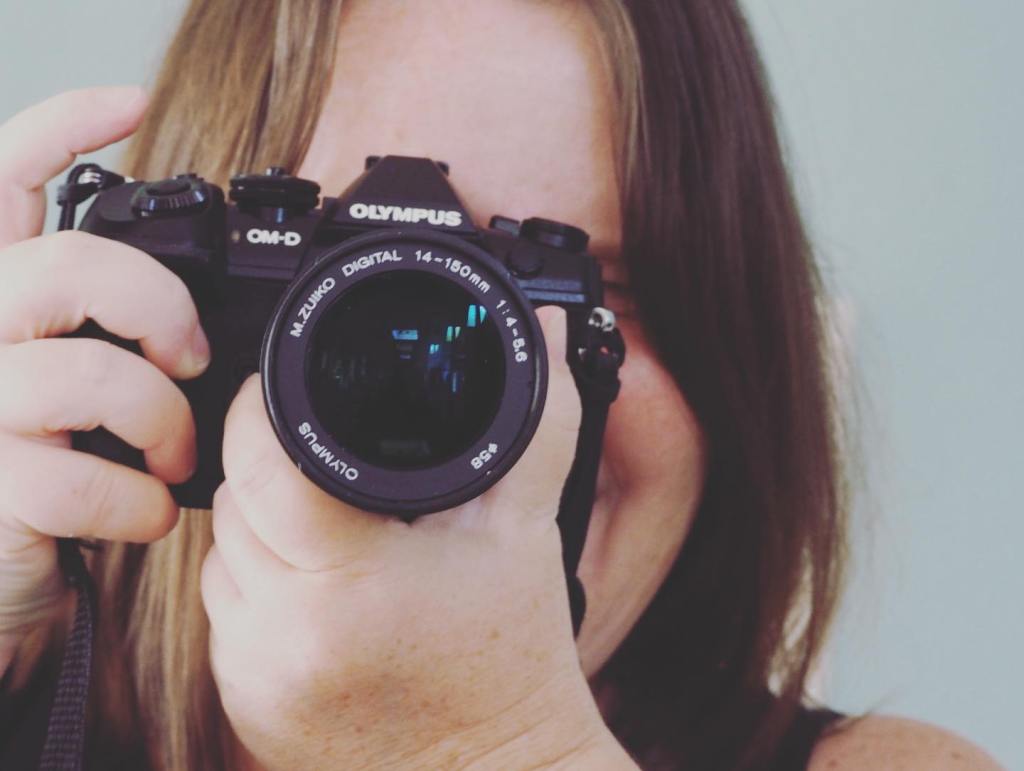
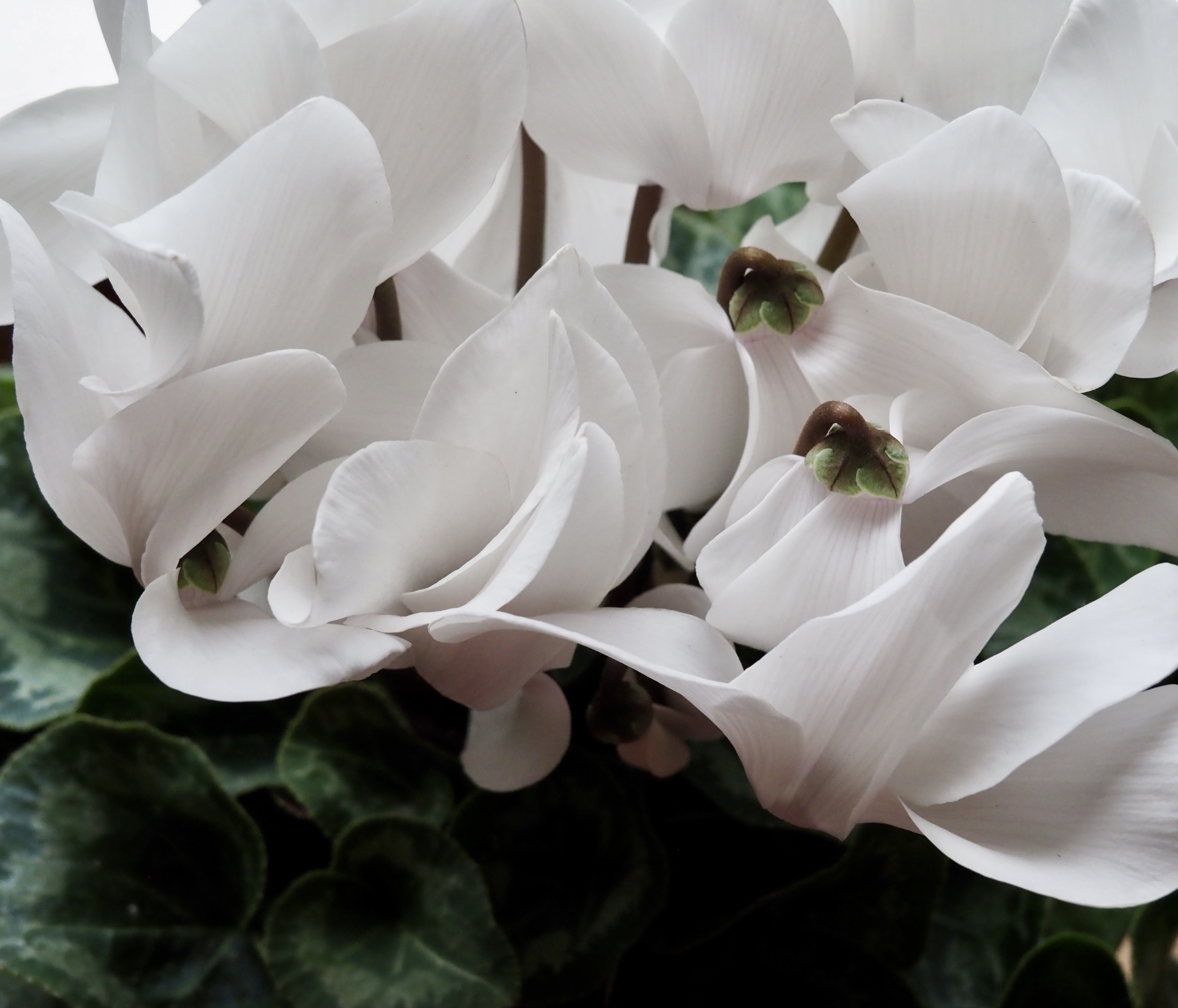
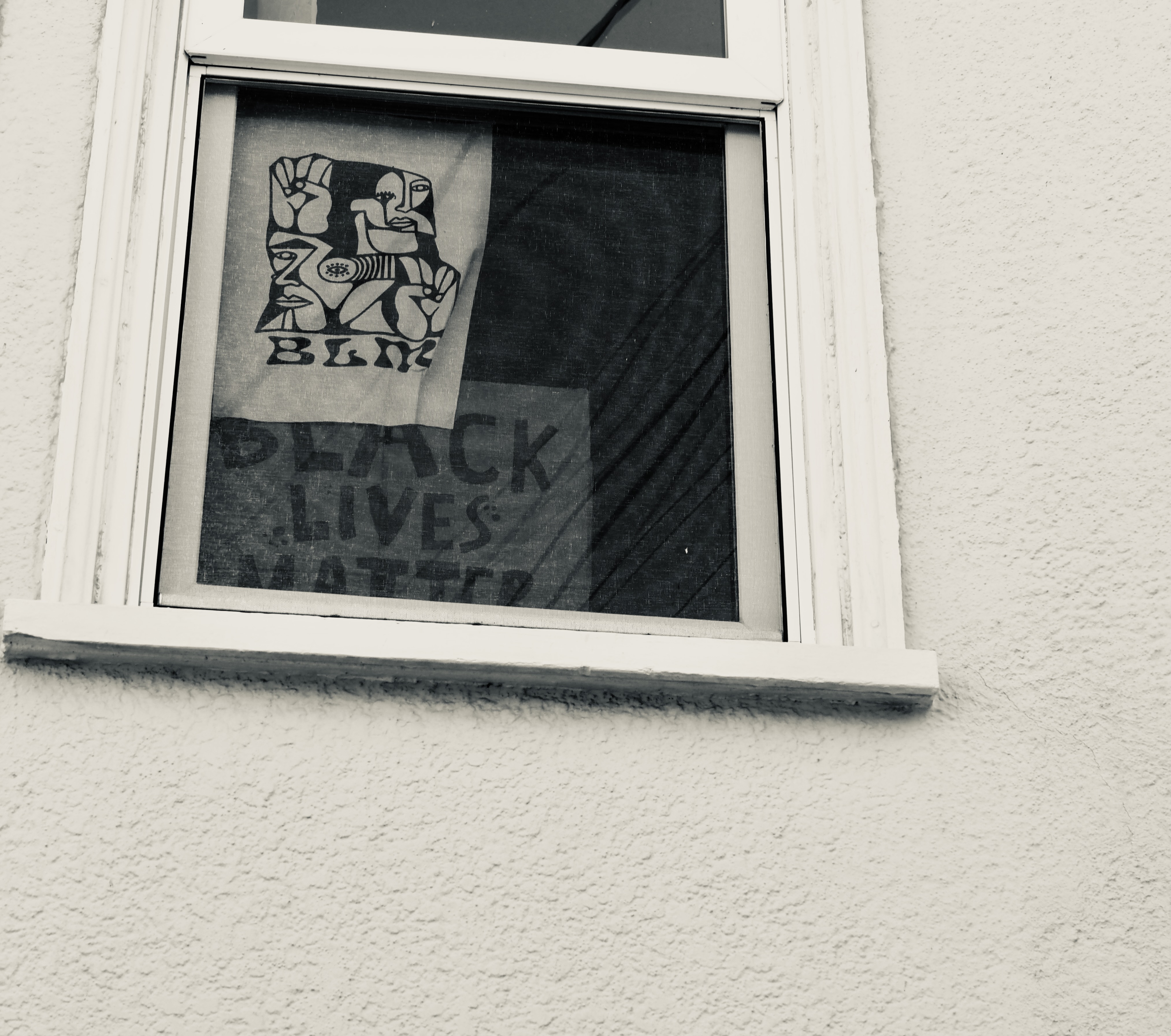
Last week I spent a few days along the Northern California coast and had plenty of wonderful sights to photograph with my Olympus OM-D. I’ve selected my five favorite images below as part of my #100DayProject. I’m fairly new to photography and appreciate feedback and advice.
If you’re unfamiliar with the 100 Day Project, the concept is simple. You choose any creative project you like and do it every day for 100 days, sharing your process on social media using the hashtag #The100DayProject. This year the dates are Feb. 13-May 24.
Bright colored houses line the narrow street. I pass a red table covered in perfect white sand dollars, twisting trees, succulent gardens, a weathered wooden door set into a wide brick wall, and a mural of black-and-white faces curving toward the sky.
I’m drawn here time and time again.
Anytime I’m within an hour from San Francisco I must make the trip.
Each time it feels like a sort of pilgrimage.
Today is no exception.
The line snakes out the small door and I cue up behind several groups of people talking quietly to each other. It’s windy and blustery. Pulling my sweater tighter around my shoulders I wonder if everyone in line has come for the same reason.
Her.
The owner of Trouble Coffee, Giulietta Carrelli.
Since hearing her story on NPR in 2014, I haven’t stopped thinking about her.
She calls her shop Trouble in honor of all the people who helped her when she was in trouble. It’s more than a coffee shop—it’s a movement with a manifesto. Everything from the menu to the artwork has meaning and purpose; all designed to help her manage her schizoaffective disorder.
To oversimplify, there’s cinnamon toast for comfort, coffee for communication and speed, and coconuts for survival. Her cups say “Thrash or die” or “Live fast, die old” in her own handwriting. She’s cool, interesting and inspiring.
I feel a kindred spirit with her despite having nothing in common and not actually knowing her. I’m magnetically drawn to her and her space.
It makes no sense.
The shop has been remodeled since I’ve last visited and when it’s my turn to enter the small building my eyes sweep over the new black and white motif. There’s splashes of pink and yellow, artwork, books, photographs, and a collection of cassette tapes.
I love the new space.
Then, I see her.
She’s making coffee with cutoff jean shorts, a headscarf, and her quite recognizable tattooed freckles on her cheeks. It’s like seeing an apparition or a ghost and it temporarily stuns me.
It’s her.
For years I’ve traveled here and thought about her, but this is the first time I’m seeing her in person.
I’m unprepared.
I feel weird and transfixed.
I know her life story, yet I don’t know her at all.
It’s an uneasy feeling; a false intimacy of a creative muse I’ve never met.
Her shop has become synonymous with art for me and somehow tied to my own creativity. I’ve watched it from afar, following her and her dog on social media, and somehow feeling part of her movement.
I can’t explain any of it.
I watch her now, in person, with a mix of awe and self-consciousness. Part of me wants to bolt, and perhaps I would have a year ago, but I don’t. I step forward and order cinnamon toast and an oat milk latte from a young man I barely look at.
I can’t take my eyes off her, and for some reason, she locks eyes with me and smiles. I pull down my mask for a moment and smile back.
She switches the music to her favorite band, talking to me as she does. She rattles off the name and I nod as if I know it, but I’m too stunned to hear it fully.
She tells me she accidentally met her musician idol outside his concert years ago. She didn’t have tickets and when he arrived she did not recognize him and they began chatting. When she realized who he was she felt terrible embarrassed. She laid on the ground to try and hide from him. He laughed.
“I can see you,” her idol said.
He let her sell merchandise and gave her a ticket to the show. They became friends.
It was a funny story, told well and I wonder if there’s something in my eyes telling her the story was for me and for the moment I was experiencing with her.
It feels as if she’s saying “I see you.”
I say nothing.
I barely breathe.
She shares a few more stories with me in the effortless way she does and I can’t stop smiling. She’s so cool and wonderful—exactly as I knew she’d be.
So we jumped up on the table and shouted anarchy And someone played a Beach Boys song on the jukebox It it was California Dreamin’ So we started screamin’ On such a winter’s day
We end up singing part of Punk Rock Girl together for a brief magical moment before she hands me my coffee.
“I have to tell you I love you,” I say.
My face turns red. I didn’t mean to say it out loud. I don’t know what I wanted to say, but certainly not the weird and creepy thing I did say.
She laughs and looks at me in the way people who can see you fully do—a penetrating gaze which oddly doesn’t feel uncomfortable.
“You don’t know me,” she says. “Do you?”
It could have felt stinging or biting, but it felt more like “you don’t know me yet.” She smiled and her blue-eyed gaze felt approving and kind.
“Thanks,” I say.
“See you around,” she says.
Holding my coffee and cinnamon toast out in front of me, I walk into the biting wind and barely feel it. In a daze I pass the same landscape as before but I feel less removed from it now.
The last few months I’ve been making huge efforts to step fully into my creative self and to be vulnerable and seen.
It feels scary but right.
Seeing Carrelli was the message I needed.
I’m on the right track.
She saw me and I saw her.
I didn’t shrink and I didn’t run.
Two palm trees cast their feathered shadows across the sidewalk and my new blue converse.
“I feel confident imposing change on myself. It’s a lot more fun progressing than looking back. That’s why I need to throw curve balls.” —David Bowie
In an effort to keep growing and learning, I’m participating in the #100DayProject by taking photographs daily with my Olympus OM-D. I’ll edit and post my favorite photos from the week each Monday. I’m new to photography and would greatly appreciate any feedback or advice.
If you’re unfamiliar with the 100 Day Project, the concept is simple. You choose any creative project you like and do it every day for 100 days, sharing your process on social media using the hashtag #The100DayProject. This year the dates are Feb. 13-May 24.
If you are participating this year, let me know where I can follow you. I find these types of challenges (NaNoWriMo/Artist’s Way/52 Week Writing Challenge) help me balance my chaotic creative energy into a more disciplined practice.
Here’s my first batch of photos:
OLYMPUS DIGITAL CAMERAOLYMPUS DIGITAL CAMERAOLYMPUS DIGITAL CAMERAOLYMPUS DIGITAL CAMERAOLYMPUS DIGITAL CAMERA
I help my nephew slip off his dark blue crocs and hold his hand as he gets used to the shift of energy from hanging with me to playing with kids his age.
He will turn three in March and I’m lucky enough to spend time with him a few days a week while his parents work. I treasure the time we have and love taking him to some of the places I took my kids when they were little. Today, it’s the indoor playground at our local mall.
There are about a half dozen kids ranging from baby to age three. They stumble around, bumping into each other, and climb on the soft playground equipment designed to look like animals in a forest. There are glass butterflies hanging from the ceiling, rainbow-colored lights, and the delicious smell of fresh baking pretzels.
When my nephew feels ready to join the play, I take my place on the sidelines with the other adults. We exchange polite smiles and watch these little humans burst with energy and excitement. The kids follow each other in circles, take turns on the slide, climb on everything, fall down and get back up. My nephew beams at me, running occasionally into my arms for a big hug before returning to his play.
Although we are indoors, it’s a wide-open space and most of the young parents and their children aren’t wearing masks. I don’t think much about it until a set of grandparents arrive with their small granddaughter. Both adults walk slow, the grandfather with a shiny black cane. They are wearing high-quality masks—the kind you wear when you must be careful. They sit as far away from the others adults as possible but are nearest to me.
The child, probably close to 4-years-old, has light brown hair pulled into high pigtails, blue jeans, and a bright pink princess t-shirt. As she slips off her sparkly silver shoes I hear her talking in a low excited voice.
“I hope I make a friend!”
“I hope so too,” her grandmother says. “But it’s okay if you don’t.”
“I know.”
She hugs both her grandparents and walks toward the other children. Sitting close together and holding hands, her grandparents exchange a weighty look. They appear worried and protective. The small girl runs a lap around the playground and spots a girl her age climbing up the slide with messy blonde hair, a purple mermaid t-shirt, and striped socks. She stands at the bottom of the slide and calls up to her.
“Hi! Do you want to be my friend?”
Her grandparents beside me lean forward.
The blonde girl smiles wide as she slides to the bottom. She runs to where her mother sits nursing a younger sibling. Without saying a word, she rummages through her mother’s purse and pulls out a mask with tiny pink flowers.
She puts it on.
She runs back to the other girl and hugs her.
“Let’s play!” she says.
It was such a simple act I could have missed it if I’d not been watching so close.
Yet it felt enormous.
This young girl saw a friend with a mask and put on her own mask to join her.
Simple.
The innocent kindness of children never ceases to amaze me.
Her guardians and I exchange teary smiles.
I watch the two girls for several minutes. They laugh, climb on the giant brown bear, jump off the blue spider, and go down the slide. They hold hands forming a tight circle and sing “Ring-Around-the-Roses,” a song about the Great Plague. They fall down giggling, hugging, and rolling together on the cushiony ground.
As my nephew and I walk out of the mall, I can’t get the scene between these two girls out of my head. It’s probably not a rare thing to witness with children, but in our messy often polarized world it felt like a magical gem. It made me think about how kindness can really be so simple.
It really can be as easy as meeting someone where they are.
One moment, no more than 30 seconds, created a rippling impact I can still feel.
I strap my sweet nephew into his car seat and kiss him. This might be a messy time to be starting out little one, but I have so much hope for your generation.
Being a parent is like walking blindfolded into the wilderness. You have to use all your senses, listen to your natural instincts, surrender any idea you know what you’re doing, and you can’t call it quits.
Before the pandemic, my kids were involved in all kinds of activities and I felt the rushing movement like a giant truck I was simultaneously riding and driving. We would fight to get out the door and I’d yell. There were too many car meals, bathroom clothing changes, and exhausted tears. I felt overwhelmed and busy, but confident. I did my best, and at the end of the day, I felt good about the efforts I put in.
During the pandemic, all the things my kids claimed to hate but secretly loved, stopped. The life I’d helped them cultivate away from media and technology suddenly revolved around screens. I was here with them all the time, yet I felt like I didn’t really see what was happening. Our lives became a series of solitary moments in our rooms with our phones or computers, interspersed by nature walks and car drives to nowhere. It went on forever, yet it felt like a blip or a bump we’d get past. We expected it would return to normal, but it didn’t.
The pandemic has transformed me as a parent.
This is not what I expected my life to look like at this moment. I suspect some of you, perhaps all of you, can relate in some way.
For me, the fundamental shift is this; my belief my kids will be okay has been replaced with fear and anxiety.
I can trace how it happened.
Early in the pandemic, my son was in a skateboard accident. He got a road rash on his face and arms, knocked out his front teeth, and had a fairly serious concussion. Each first responder and hospital staff member took a moment to yell at him, and by extension me, for him not wearing a helmet. They rubbed it in thoroughly, and I felt their words chipping away the image I had of myself as a mother. I felt bruised and beaten as I nursed my son back to health in a dark room for several weeks, blaming myself for his accident.
A few months later my grandmother died of Covid. I tried to call her once at the hospital, but she was asleep. I didn’t try again. I was scared to talk to her. There’s was so much unsaid between us, and I wanted her to get better so I could say the things. The lost opportunity felt huge while bringing fears of Covid closer to home.
While I tried to convince myself my kids were strong and would fight Covid easily, I was terrified of unknowingly passing Covid onto my mom, who has bad asthma, or to my mother-in-law who is elderly and fighting cancer. Each time I had a tickle in my throat, I’d worry it would develop into something more, and I’d be one of those who weren’t so lucky to fight it off. It wasn’t a rabid fear, but rather a slow-simmering background of fear which chipped away at me bit by bit.
In addition to Covid, I began to fear how people were acting. The division of those who refused masks contrasted with those hoarding supplies and preparing for a sort of social war. All of these things made leaving my house feel risky and dangerous. I stockpiled dried beans, rice, and bottled water. My neighbor and I talked about his guns and how he could protect us; the conversation felt appropriate at the time.
I watched my kids implode in a way I didn’t understand, and still don’t. It wasn’t simply losing school and friends; it was a sort of reckoning of what kind of life they wanted to have. The trajectory of their accomplishments stopped, and they had nothing to be proud of. They had too much time to think about the world, to see all the ugliness of it, and it changed them.
Six months after his first accident, my son had a second one. This time he was hit by a car walking to the store to buy a soda. The police came to the door as I was doing the dinner dishes and I followed in a daze to the hospital. More scraps, another concussion, and a fresh batch of fears for me. The moments of that day play over and over in my head and it’s hard to let him out of my sight. I’m only truly comfortable when he’s home. I worry when he’s at school or with his friends. I obsessively track his phone throughout the day in an attempt to ease the anxiety. If his phone dies or I can’t get in touch with him, I panic.
My daughter, through the isolation from her peers and anxiety of the world, has developed some mental health struggles. I won’t share the specifics to maintain her privacy, but I missed the signs for too long. I felt another blow to my parenting ego, but worse; I felt a terrible sense I’d let her down in all the ways that matter. I had missed the big stuff. I felt selfish and scared.
All of this has changed me as a parent.
I find it hard to return to the way we were before because much of my mental energy has transformed into anxiety and fear.
My kids miss a lot of school and I don’t care about homework. I let them hang with their friends as much as they want, drive them to therapy and support groups. I’ve put thousands of miles on my car listening to their music and hoping they will feel better.
I want them to feel better.
I am also not requiring enough of them so that they can grow in the ways I know they need to. I’m scared to push and to hold them to the standard I did before. They are not falling short; I’ve simply grown fearful of requirements because I don’t want to lose them. I don’t push.
I’m not exaggerating when I tell you I’ve been more worried about my kids dying in the last two years than I did the entire time they were little. I was all about letting them climb a tree, or take a risk. I thought it was good if they got hurt because it showed them a boundary and allowed them to grow.
I’ve lost that.
Now, I fear pushing them will result in dire consequences.
It’s a tightrope of wanting to require more so they feel proud of themselves and grow, but also holding back because I see them as fragile. I know they aren’t as fragile as I’ve made them out to be, but I am.
It feels perilous.
And scary.
How do I become the right kind of hard while still protecting them and myself?
I don’t know.
There’s another component, a sort of social reckoning. What they have experienced has shifted the momentum of their lives. They see their life path, their goals, as something far different than I did at their age. It’s no longer as an individual, but rather how they will be in the world.
They are examining complex things: gender constructs, systematic racism, global warming. There’s a sort of punk rock attitude forming; a kind of new version of the “fuck the man” mentality. Instead of music and drugs, they want marches and social justice reform. They want the world to do better, to be better.
They aren’t going to sleepwalk through their lives, moving from one checked box to the next like I did; high school, college, career, house, kids.
I moved through each thing as if I had no say in the matter; as if all the decisions of my life were preordained and I was simply saying the lines written for me. After all the boxes were checked, I felt cheated and empty. I missed so much because I did what I thought was expected of me. I didn’t slow or pause to examine if the path was what I wanted or if the roles I’d cast myself in fit me anymore.
My kids aren’t doing that.
They think about the kind of lives they want, and although the images are still so unclear, I don’t think they will settle. They don’t believe the story my generation did, and they don’t want the same outcome. I see them looking at me and their father and shaking their heads at how much we don’t question things or fight for a better world. They check us on the language we use and talk about things it’s taken me over 40 years to recognize.
They are facing forward and not shrinking from it. While I see them as fragile, the evidence doesn’t support me. If they can look at the problems in the world with a sort of determined energy of change, how can I see them as weak?
I have hope that all this social awareness is leading to something amazing for their entire generation and, not to be too grandiose, the planet. This outward focus and the ability to accept and empathize with all kinds of people has to be leading to a better world for all of us.
None of this, however, makes it easy to be a mother right now. There are days, more than I care to admit, I wish I could hop into a time machine and do a better job of protecting and shielding my kids. I’d put them in a bubble and not let anything in.
I know that’s not actually true and it’s the fear and the pain talking.
It’s my desire for growth to not hurt, but that’s not how it works.
It hurts.
The story my kids are living, well…it’s their story. All the things they have been through are shaping and molding them. And they are incredible kids.
My challenge has become to support them, to love them, and to go slower. To continue to sit with them in the discomfort, to listen as they question things, and, most importantly, to see my fear as separate from their experience.
The last one has been the hardest for me.
I have to work on healing my own fears around losing them, and not let my decisions be based on either guilt for what they’ve lost or fear I’ll lose them permanently.
I’m trying my best.
Maybe the pushing will come when it feels right, but for now, I observe and I listen. I try and see the ways I can nudge and build on those. These kids have been through so much, and it’s made them strong.
They are freaking rock stars.
My daughter has started having friends over again and they laugh so much. She pours herself into her artwork. It’s for her, not for show or attention. She does art to express her feelings and she holds people accountable for their actions. She sets boundaries, even with me.
My son began working out at the gym and he plays basketball with his friends. He plays guitar in his room for the pure love of it, not caring to impress anyone or show off. He makes everyone laugh, can size up his teachers, and isn’t afraid to call them out when they are being unfair. He forgives me when I hold too tight or freak out, but doesn’t let me off without a fight.
My kids talk to each other all the time. It’s not fake. It’s not superficial. They talk about real stuff and lean on each other.
All of these things are beautiful and real.
My kids aren’t fragile.
I am.
I’m facing forward and I’m doing the best I can, and for that, I need to give myself grace.
No comparing.
No looking back.
I’ve come to realize, parenting doesn’t get easier, and maybe that’s part of the complexity of my own feelings. A bit of sadness my kisses and hugs aren’t magical anymore. A bit of the rose-colored glasses slipping as my kids enter the imperfect world-not the careful world of fairies and magic I crafted when they were little.
While this part of my life feels unsteady and hard, all I can do is keep loving them and trying to do better. As the Everly Brothers sang:
Love hurts, love scars Love wounds and mars Any heart, not tough Nor strong enough To take a lot of pain Take a lot of pain Love is like a cloud Holds a lot of rain







 Bridgette Tales