After the tremendous high of self-publishing my book in April, I’ve spiraled into a funk so deep I’m hesitant to even speak about it. I’ve resisted naming it or giving it power, but the truth is as plain as the sweatpants I’ve been wearing for days.
I’m not doing great.
While I can rally when my friends and family need me, it takes everything out of me. My default Pollyanna attitude, always seeing the joy and wonder in everything, is slowly fading away. It’s harder and harder to put a positive spin on things, and as a result, I’m dissociating more and more. I check out for hours and days at a time by playing on my phone or binge watching TV, often doing both at the same time.
The creative spark I had just months ago seems lost.
Yesterday I looked in the mirror and didn’t recognize myself. I’m picking fights with my family, crying easily, and my body hurts all the time. I feel myself stiffening in all ways. It could be stress in my life, the state of the world, perimenopause, or most likely, all of those things combined.
It’s time to seek help. Again.
Sigh.
Why am I telling you all this? Well, I think part of getting through this is going to be recommitting to blogging again. Reaching out to this beautiful community as my whole broken self and saying, hey, I sort of need a hug right now and maybe you do too, so how about we hug each other with words? That sounds weird, but you know what I mean. We aren’t alone. None of us.
So, yeah. I’m here.
How are you? I seriously want to know. Good? Bad? Tired? Energized? Did you get a new dog? Your cat do something funny? What projects are you working on? Tell me all the things.
I might not be doing great, but I’m going to show up. I’ve taken a ton of photos lately and it’s time to edit them and share them with you. Maybe the joy of the tiny details will help me in my recovery, and who knows, maybe you’ll find something about them to love too.
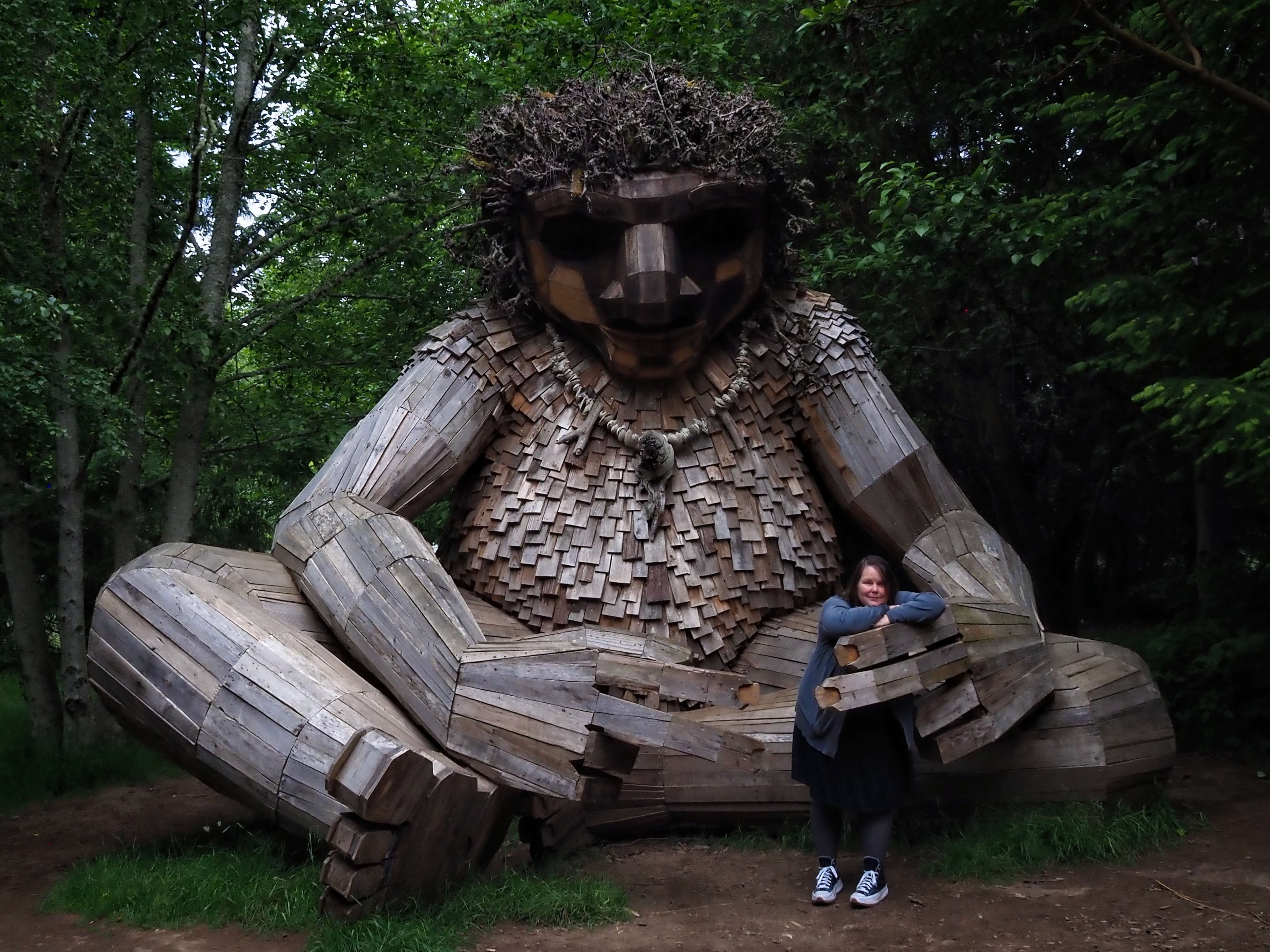
I’ll leave you with this photo my daughter took of me in Washington earlier this month. I remember thinking in a world where an artist creates something this magical, anything is possible. I’m holding onto that feeling, even if it’s tiny.
panic sits inside my shoulder just under the skin wiggling spiderset leggy, crawling 3 a.m. do you know where your children are? i check, don’t trust my eyes other senses won’t wake drive a tractor toward a fence can’t go fast enough to break through are they on the other side am i running to or from something hold my hand, am i really here bubbles become breath, no breath is bubbly spiders lie, right, it’s not real 4 a.m. do you know where your children are? they aren’t little but the world is bigger now eyes too open, close them rest your head upon my shoulder my head doesn’t know where to rest it spins, a top loose upon the table, it trips the horse we tumble, tangled limbs, hoofs, hair spider calls its friends, a party moves down my body pop the champagne, let’s go 5 a.m. do you know where your children are? pull the legs off so they can’t scurry inside i still feel them even when i say they aren’t real exterminators tell me they got every single one but why do i hear them tap dancing clever cat knows, he will find them for me hearts can only take so much, he purrs 6 a.m. do you know where your children are? too late to take the little white pill, stuff to do it makes me sleepy—fight it, fight it, fight it eight-leg shadows find my chest, neck, eyes fine, take it, one loud swallow fingers find keyboard, words trip/flip/skip not good enough, not anything, fine, all fine check kids one more time, one more time one more time step outside, cool air brushes skin softer morning traffic sounds, my ocean in and out, nothing else, we breathe seagulls cry with the mourning doves time to do last night’s dishes another load of laundry i know where my kids are
Author’s note: I suffer from occasional panic attacks. I had one this morning and penned these words in an attempt to capture the feeling.
through multi-colored glass down simple carpet floors white walls turn brass tears transform into doors
shadow trees grow there lightening flowers do too whispers come for repair howling monsters to spew
creaking boards hold ache light bulbs illuminate pain rafters rattle and shake trauma flows like rain
lose yourself, my child within safe caring walls connect with inner wild listen to phoenix’s calls
for inside healing house nothing stays for long come in quiet mouse leave brave lion strong
*This poem was inspired by a comment left on my blog by Grounded African and is dedicated to everyone attempting to enter a building like this to heal and connect in therapy, especially my darling daughter. May you find your way through the dark.
Crawl out of mismatched blankets to shiver write, heater broken again.
Cracked heels bleed in fuzzy grey socks, add self-care to today’s to-do list.
Must hold breath another week for mental health help, therapists get sick.
Tears fall fast in upstairs bathroom, moms know the art of hidden sadness.
Can’t take another hit, cold sore erupts fat, ugly on bottom lip.
Coffee in my cup is ice already, but what I need is some warmth.
Write, write, write all my crisp inside words, but does anybody want them?
Inspired by Brandon Ellrich, I used the format of the American Sentence this week to explore some of my current feelings. If you are unfamiliar with this poetic form, it was Allen Ginsberg’s effort to make American the haiku. It must be seventeen syllables and it comes from the notion, “poets are people who notice what they notice.” Thank you for reading my first attempt at these.
Being a parent is like walking blindfolded into the wilderness. You have to use all your senses, listen to your natural instincts, surrender any idea you know what you’re doing, and you can’t call it quits.
Before the pandemic, my kids were involved in all kinds of activities and I felt the rushing movement like a giant truck I was simultaneously riding and driving. We would fight to get out the door and I’d yell. There were too many car meals, bathroom clothing changes, and exhausted tears. I felt overwhelmed and busy, but confident. I did my best, and at the end of the day, I felt good about the efforts I put in.
During the pandemic, all the things my kids claimed to hate but secretly loved, stopped. The life I’d helped them cultivate away from media and technology suddenly revolved around screens. I was here with them all the time, yet I felt like I didn’t really see what was happening. Our lives became a series of solitary moments in our rooms with our phones or computers, interspersed by nature walks and car drives to nowhere. It went on forever, yet it felt like a blip or a bump we’d get past. We expected it would return to normal, but it didn’t.
The pandemic has transformed me as a parent.
This is not what I expected my life to look like at this moment. I suspect some of you, perhaps all of you, can relate in some way.
For me, the fundamental shift is this; my belief my kids will be okay has been replaced with fear and anxiety.
I can trace how it happened.
Early in the pandemic, my son was in a skateboard accident. He got a road rash on his face and arms, knocked out his front teeth, and had a fairly serious concussion. Each first responder and hospital staff member took a moment to yell at him, and by extension me, for him not wearing a helmet. They rubbed it in thoroughly, and I felt their words chipping away the image I had of myself as a mother. I felt bruised and beaten as I nursed my son back to health in a dark room for several weeks, blaming myself for his accident.
A few months later my grandmother died of Covid. I tried to call her once at the hospital, but she was asleep. I didn’t try again. I was scared to talk to her. There’s was so much unsaid between us, and I wanted her to get better so I could say the things. The lost opportunity felt huge while bringing fears of Covid closer to home.
While I tried to convince myself my kids were strong and would fight Covid easily, I was terrified of unknowingly passing Covid onto my mom, who has bad asthma, or to my mother-in-law who is elderly and fighting cancer. Each time I had a tickle in my throat, I’d worry it would develop into something more, and I’d be one of those who weren’t so lucky to fight it off. It wasn’t a rabid fear, but rather a slow-simmering background of fear which chipped away at me bit by bit.
In addition to Covid, I began to fear how people were acting. The division of those who refused masks contrasted with those hoarding supplies and preparing for a sort of social war. All of these things made leaving my house feel risky and dangerous. I stockpiled dried beans, rice, and bottled water. My neighbor and I talked about his guns and how he could protect us; the conversation felt appropriate at the time.
I watched my kids implode in a way I didn’t understand, and still don’t. It wasn’t simply losing school and friends; it was a sort of reckoning of what kind of life they wanted to have. The trajectory of their accomplishments stopped, and they had nothing to be proud of. They had too much time to think about the world, to see all the ugliness of it, and it changed them.
Six months after his first accident, my son had a second one. This time he was hit by a car walking to the store to buy a soda. The police came to the door as I was doing the dinner dishes and I followed in a daze to the hospital. More scraps, another concussion, and a fresh batch of fears for me. The moments of that day play over and over in my head and it’s hard to let him out of my sight. I’m only truly comfortable when he’s home. I worry when he’s at school or with his friends. I obsessively track his phone throughout the day in an attempt to ease the anxiety. If his phone dies or I can’t get in touch with him, I panic.
My daughter, through the isolation from her peers and anxiety of the world, has developed some mental health struggles. I won’t share the specifics to maintain her privacy, but I missed the signs for too long. I felt another blow to my parenting ego, but worse; I felt a terrible sense I’d let her down in all the ways that matter. I had missed the big stuff. I felt selfish and scared.
All of this has changed me as a parent.
I find it hard to return to the way we were before because much of my mental energy has transformed into anxiety and fear.
My kids miss a lot of school and I don’t care about homework. I let them hang with their friends as much as they want, drive them to therapy and support groups. I’ve put thousands of miles on my car listening to their music and hoping they will feel better.
I want them to feel better.
I am also not requiring enough of them so that they can grow in the ways I know they need to. I’m scared to push and to hold them to the standard I did before. They are not falling short; I’ve simply grown fearful of requirements because I don’t want to lose them. I don’t push.
I’m not exaggerating when I tell you I’ve been more worried about my kids dying in the last two years than I did the entire time they were little. I was all about letting them climb a tree, or take a risk. I thought it was good if they got hurt because it showed them a boundary and allowed them to grow.
I’ve lost that.
Now, I fear pushing them will result in dire consequences.
It’s a tightrope of wanting to require more so they feel proud of themselves and grow, but also holding back because I see them as fragile. I know they aren’t as fragile as I’ve made them out to be, but I am.
It feels perilous.
And scary.
How do I become the right kind of hard while still protecting them and myself?
I don’t know.
There’s another component, a sort of social reckoning. What they have experienced has shifted the momentum of their lives. They see their life path, their goals, as something far different than I did at their age. It’s no longer as an individual, but rather how they will be in the world.
They are examining complex things: gender constructs, systematic racism, global warming. There’s a sort of punk rock attitude forming; a kind of new version of the “fuck the man” mentality. Instead of music and drugs, they want marches and social justice reform. They want the world to do better, to be better.
They aren’t going to sleepwalk through their lives, moving from one checked box to the next like I did; high school, college, career, house, kids.
I moved through each thing as if I had no say in the matter; as if all the decisions of my life were preordained and I was simply saying the lines written for me. After all the boxes were checked, I felt cheated and empty. I missed so much because I did what I thought was expected of me. I didn’t slow or pause to examine if the path was what I wanted or if the roles I’d cast myself in fit me anymore.
My kids aren’t doing that.
They think about the kind of lives they want, and although the images are still so unclear, I don’t think they will settle. They don’t believe the story my generation did, and they don’t want the same outcome. I see them looking at me and their father and shaking their heads at how much we don’t question things or fight for a better world. They check us on the language we use and talk about things it’s taken me over 40 years to recognize.
They are facing forward and not shrinking from it. While I see them as fragile, the evidence doesn’t support me. If they can look at the problems in the world with a sort of determined energy of change, how can I see them as weak?
I have hope that all this social awareness is leading to something amazing for their entire generation and, not to be too grandiose, the planet. This outward focus and the ability to accept and empathize with all kinds of people has to be leading to a better world for all of us.
None of this, however, makes it easy to be a mother right now. There are days, more than I care to admit, I wish I could hop into a time machine and do a better job of protecting and shielding my kids. I’d put them in a bubble and not let anything in.
I know that’s not actually true and it’s the fear and the pain talking.
It’s my desire for growth to not hurt, but that’s not how it works.
It hurts.
The story my kids are living, well…it’s their story. All the things they have been through are shaping and molding them. And they are incredible kids.
My challenge has become to support them, to love them, and to go slower. To continue to sit with them in the discomfort, to listen as they question things, and, most importantly, to see my fear as separate from their experience.
The last one has been the hardest for me.
I have to work on healing my own fears around losing them, and not let my decisions be based on either guilt for what they’ve lost or fear I’ll lose them permanently.
I’m trying my best.
Maybe the pushing will come when it feels right, but for now, I observe and I listen. I try and see the ways I can nudge and build on those. These kids have been through so much, and it’s made them strong.
They are freaking rock stars.
My daughter has started having friends over again and they laugh so much. She pours herself into her artwork. It’s for her, not for show or attention. She does art to express her feelings and she holds people accountable for their actions. She sets boundaries, even with me.
My son began working out at the gym and he plays basketball with his friends. He plays guitar in his room for the pure love of it, not caring to impress anyone or show off. He makes everyone laugh, can size up his teachers, and isn’t afraid to call them out when they are being unfair. He forgives me when I hold too tight or freak out, but doesn’t let me off without a fight.
My kids talk to each other all the time. It’s not fake. It’s not superficial. They talk about real stuff and lean on each other.
All of these things are beautiful and real.
My kids aren’t fragile.
I am.
I’m facing forward and I’m doing the best I can, and for that, I need to give myself grace.
No comparing.
No looking back.
I’ve come to realize, parenting doesn’t get easier, and maybe that’s part of the complexity of my own feelings. A bit of sadness my kisses and hugs aren’t magical anymore. A bit of the rose-colored glasses slipping as my kids enter the imperfect world-not the careful world of fairies and magic I crafted when they were little.
While this part of my life feels unsteady and hard, all I can do is keep loving them and trying to do better. As the Everly Brothers sang:
Love hurts, love scars Love wounds and mars Any heart, not tough Nor strong enough To take a lot of pain Take a lot of pain Love is like a cloud Holds a lot of rain
Sometimes my teenage daughter’s anxiety gets too big, and I pick her up early from school.
I know her education is important, but living through a pandemic has changed my priorities and perspective. When she calls me, I don’t hesitate and I don’t make her feel bad. I get her.
Last week I picked her up after a flurry of upsetting texts. She told me her mental health was bad again. It scared me. It scared her. She’d kept it from me for weeks because she didn’t want to make me sad. My heart broke she’d tried to protect me, and I felt I had to say the right thing.
“We face what is,” I said.
These four words felt important.
I repeated them.
“We face what is.”
This opened the door for her to share, and for me to listen. We made plans for her to get new kinds of help, and to pursue roads to healing we hadn’t considered before. I reminded her she isn’t alone, and I’m more interested in her truth than in feeling comfortable and happy.
The next day, I was sitting alone and spiraling out about my eyes.
My eye to be specific.
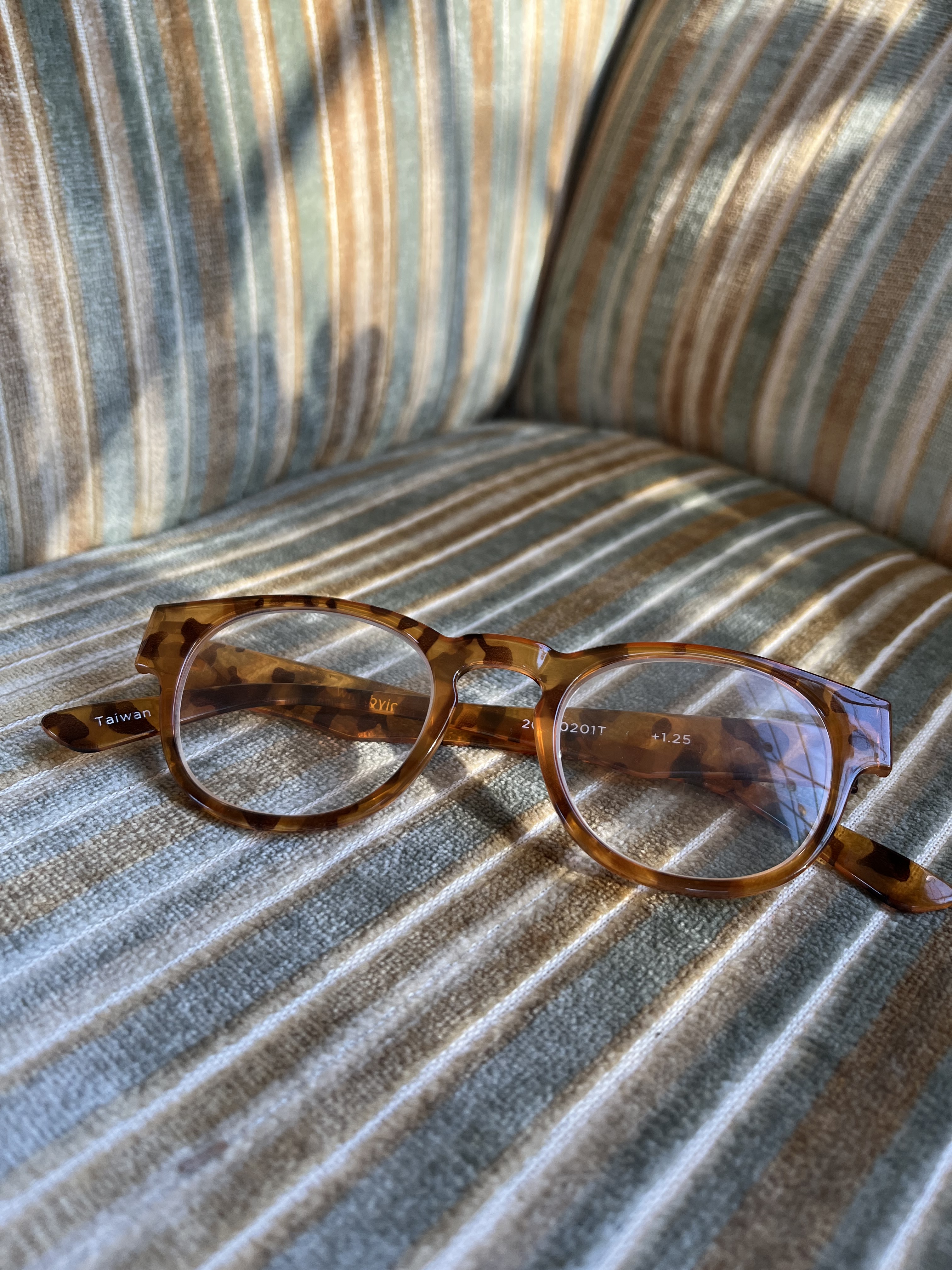
I’ve got one good eye and one lazy one. It’s been this way my entire life, and normally it’s not on my mind. But lately, I’ve had trouble seeing when I read, or when I’m on the phone. Things were blurry and I couldn’t read the instructions on a medicine bottle. I bought a pair of reading glasses, and it helped. This should have been the end of it.
However, my anxiety over the experience grew and grew. It became unruly, demanding more and more of my attention and emotional energy.
I’d convinced myself I must have some horrible disease, most likely brought on by my weight gain and laziness. I began to tally all the ways I’m failing at caring for myself. I don’t wear my sunglasses all the time. I spend too much time on screens. I don’t blink enough. I got bacon grease in my eye on Christmas morning, which was irresponsible and preventable if I’d paid better attention. I haven’t done enough research to see how to protect my eyesight. I don’t eat enough green leafy vegetables or omega-3 fatty acids. I’m going to lose my ability to see, and it will be my own fault.
As I sat still, berating myself, those four words I told my daughter came to me.
“We face what is.”
I looked up the number of an optometrist near me and made an appointment.
As I sat in the waiting room, all the anxiety and blame thick about me, I kept countering it with those four words. Whatever the eye doctor tells me, I will face. I have family and friends who will love and support me. I can’t face what I don’t know.
As I went through the exam, I made lots of self-deprecating jokes. I knew I had to keep the mood as light as possible, and I had to keep talking.
“Which is better? One or two? Three or four?”
Each question was scary. The letters I couldn’t see felt ominous, surely indicators of something serious. I kept trying to hear it in her voice, waiting for the bad news to drop.
It didn’t.
My eye’s fine. I’m getting older. It’s normal.
Normal.
She prescribed reading glasses, the same kind I’m already using. She told me I’m okay.
We face what is.
I have some other health things I have to face. I’ve put on too much weight. I have pains in my hips and back. I’m concerned I might be pre-diabetic, it runs in my family, or I could be putting too much strain on my heart. I’m taking steps to correct my health, which means facing things like the scale, a check-up at the doctor, and returning to the gym. All of these things feel hard, and damn, there’s a lot of judgment and guilt around them.
However, I can’t do anything without turning toward what is. I have to stop ignoring the truth for some pretend comfort. I have people who count on me, and I have a lot more I want to do with my life. There’s no reason to run from perceived scary things or to let myself build them up until they are monstrous. It’s far better to shine a light on them.
We face what is.
My reading glasses and the chair I inherited from my grandmother.
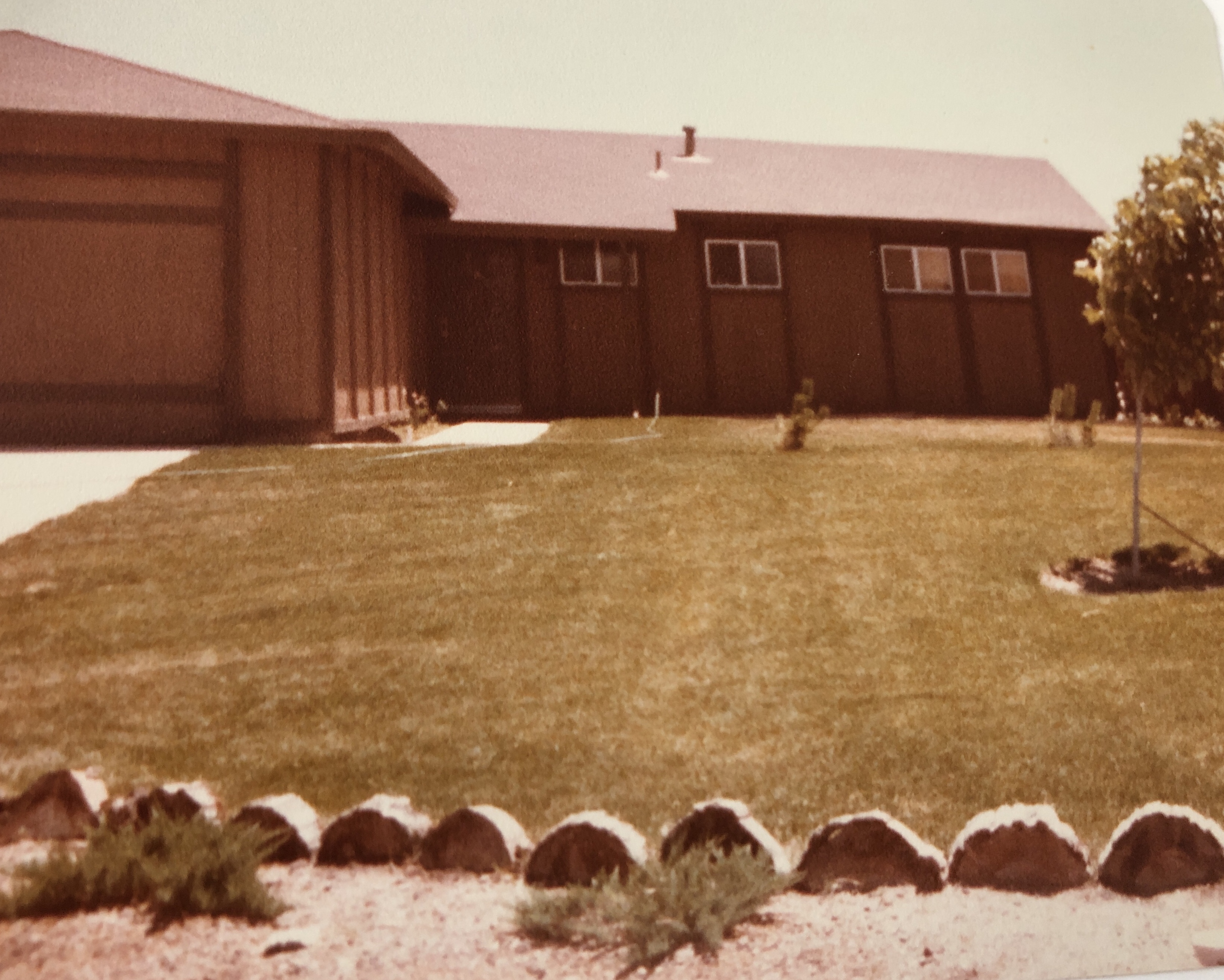
It doesn’t look like my childhood home anymore. It hasn’t looked like it in a long time.
The effects of depression hang in the air, tangibly thick, like the layers of neglect and random things. Peeling back each one we find plenty that’s broken, unusable, forgotten or discarded. There are cords, cigarette butts, bottles, worn-out blankets, unmatched shoes and boxes of stuff bought for a purpose or plan long since abandoned. As we shovel it all away, pile it to be taken to the dump, my heart is breaking for what is at the very bottom of it all, the thing left when you peel everything away.
My childhood home.
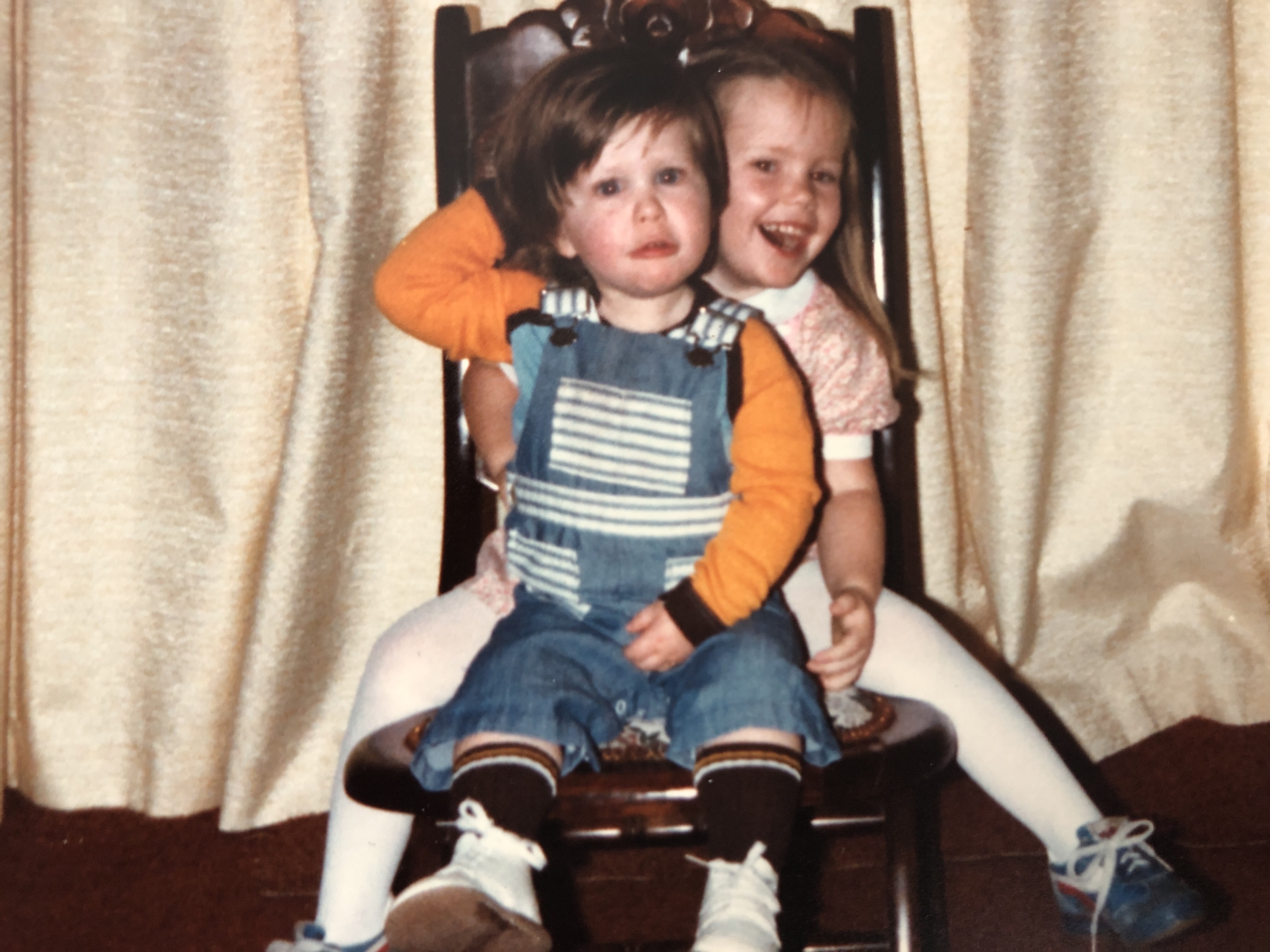
My childhood.
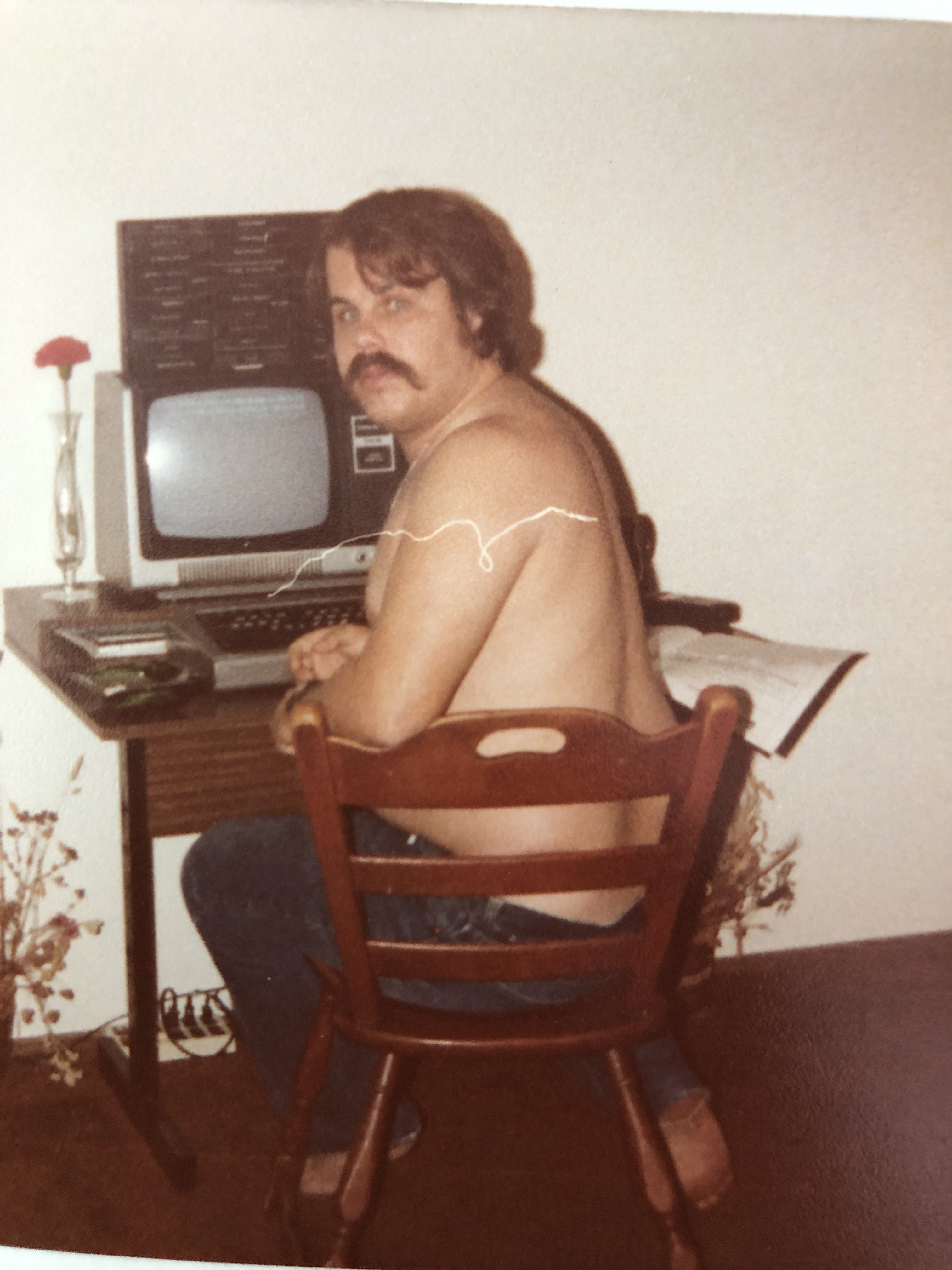
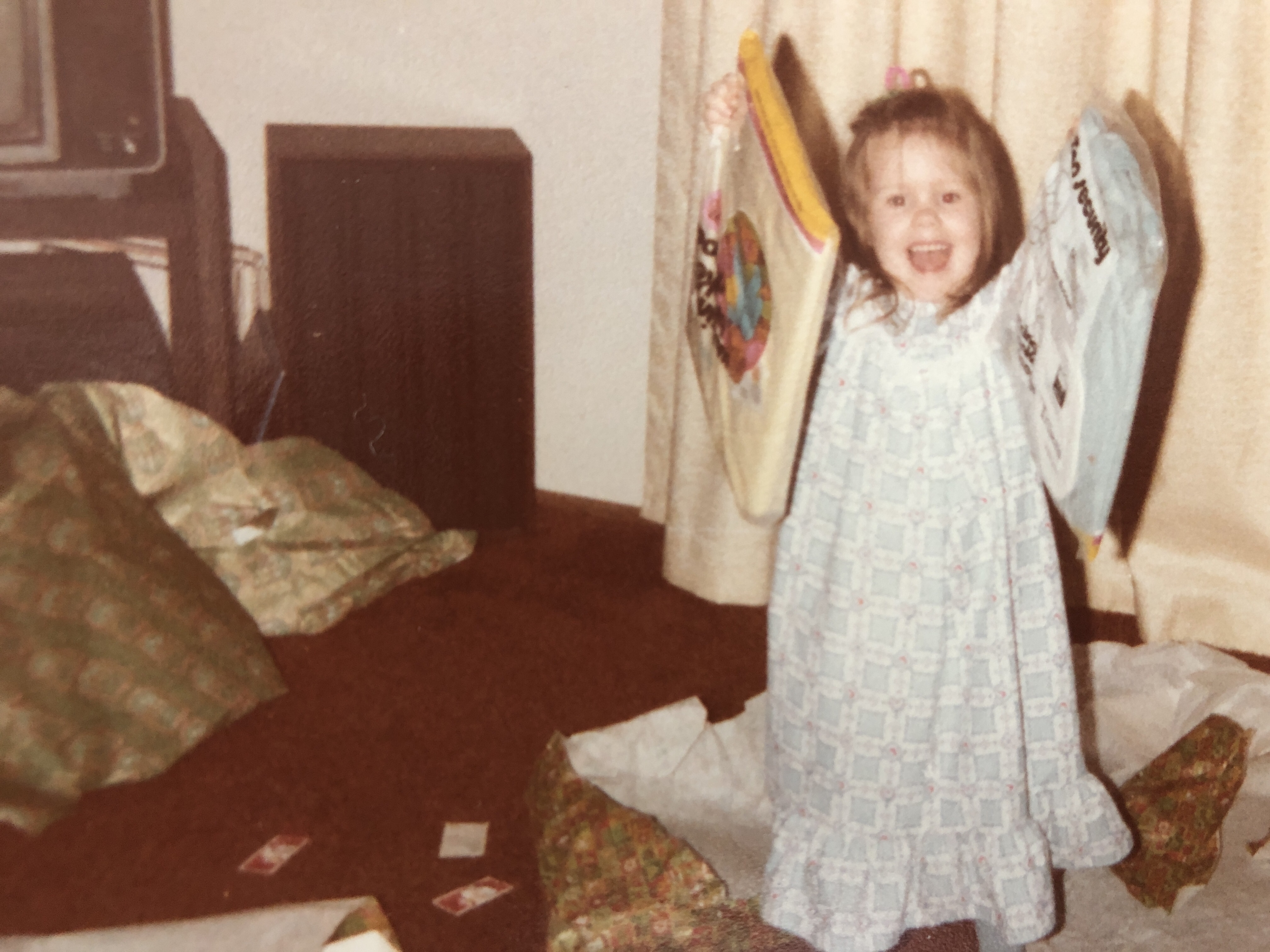
Skating in the garage. Homework at the dinner table. Christmas mornings. Biking around the court. Neighborhood friends. Mudpies. A summer wedding in the front yard. Nursing a possum back to health. Hiding in my closet. Buried pets. Ewok battles. Midnight Jane Fonda workouts. My dad at his computer. Microwave popcorn. Goodnight kisses. My purple room. First day of school pictures. Our pig running through the back and front screen door. Slumber parties. Dancing on my bed. Rosanne on the TV. Mom sewing at the kitchen table. Sandbags. Doves. Playing shipwreck. Daycare kids. Charles Chips tins. Yellow flowered wallpaper. Spacecat peeing in the entryway. Piles of leaves. Brown carpet.
None of these memories will be erased by this move. I get to keep them. They are mine.
Yet there is something profoundly sad about the way this place I grew up, this place I learned about myself and the world, became. It didn’t just get sold. There isn’t just a new family moving in.
The house was broken.
Then taken (foreclosure).
It’s violating. It’s as if a part of my childhood was left to rot and spoil in the sun, a dead fish in a pile of debris. It’s ugly and raw.
I don’t blame my parents. There is no blame to place anywhere. Sometimes families fall apart and ours did so at an excruciatingly slow pace. It’s been decades and there are still casualties. Piles of them.
Although it would be easiest to only look forward, to face away from what was, I find myself drawn back by the little pieces of history unearthed. I want to remember, to honor these feelings, to touch all the creases and cracks of the walls before they are no longer mine to feel.
This weekend we must say our final goodbye. We will take the last things off the walls. I’ll open the hallway cupboards and run my hands over the place the board games used to live. I’ll walk into my closet and shut the door and sit in the dark one last time. I’ll stare at the door to my parent’s bedroom, the one I couldn’t enter without knocking. I’ll look out my bedroom window.
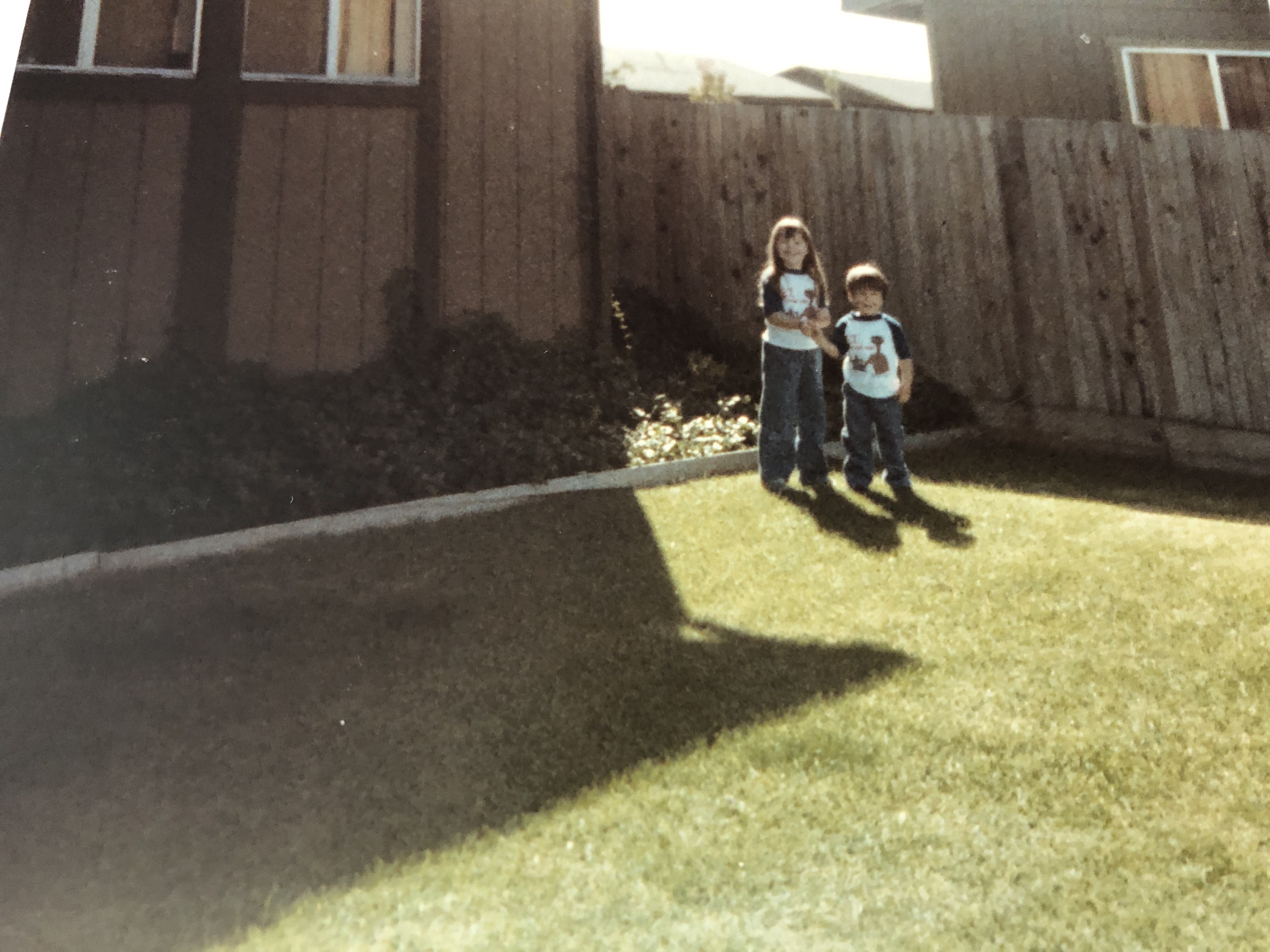
I was lucky to have grown up in this middle-class suburban neighborhood. I know that. My brother and I had friends to play with, we swam in the gutters, got into fights, babysat, borrowed sugar, trick-or-treated, sold candy bars door-to-door, walked the dogs and slowly changed into the people we are today.
The home of those memories, however, has been gone for a long time. It was fractured by divorce, mental illness and time. Things broke and didn’t get fixed. Weeds became impossible to combat. Cracks too big to mend.
The park we played at has been fenced off, permanently closed due to gangs and violence. My car was stolen when I was visiting and pregnant with my first child. Most of the neighbors have moved and the new ones are not friendly. It isn’t the neighborhood of my youth, it’s as crumbling as the roof and as ugly as the butchered tree in the front yard.
Things don’t stay frozen in time. Erosion. Evolution. Transformation.
Leaving this home behind will be a new start for my mother and brother, a chance to wipe clean the wounds of the past that lay bare and bleeding. They can shed the guilt, the pain and the reality of a space no longer serving the purpose it once did. They can outrun the ghosts and the echoes of a life lived.
This is an opportunity to make things better.
It’s for the best.
I know all this, yet it doesn’t make it any easier.
I’ve never liked the end of a book or the goodbyes when someone leaves. I wish I could skip ahead to the time when the pain is a memory, but that isn’t how things work.
The pain is here right now, whether I acknowledge it or not. This is the hard part.
Once we pull away with the last load of things on Sunday, maybe looking back for one last glance of myself riding my big wheel around the court, the real healing can begin.





 Bridgette Tales